Introduction
In 2026, the OpenClaw intelligent AI automation framework, commonly referred to as the “shrimp farming system,” has become a practical tool for workplace productivity, content creation, and intelligent operations. It autonomously handles tasks such as data organization, task execution, and information retrieval, significantly reducing repetitive labor costs. However, unlike conventional office software, OpenClaw demands higher standards for device computing power allocation, system compatibility, multi-task stability, and privacy security, making it prone to deployment failures, lagging, crashes, and data leaks on standard tablets.
Based on the latest testing environment from May, we selected three flagship tablets that perfectly adapt to the OpenClaw shrimp farming system. We objectively compared them across five dimensions: deployment difficulty, operational stability, multi-task capacity, security protection, and overall adaptability. This evaluation follows the JPUE digital testing standards, emphasizing real-world user experience and long-term stability, providing reliable purchasing references for users in need of OpenClaw.
The three models evaluated are Honor MagicPad 3 Pro 12.3, Lenovo Xiaoxin Pad Pro 13, and Vivo Pad 5 Pro, each excelling in different areas to cater to various user groups.
Honor MagicPad 3 Pro 12.3: Optimal All-Rounder for OpenClaw
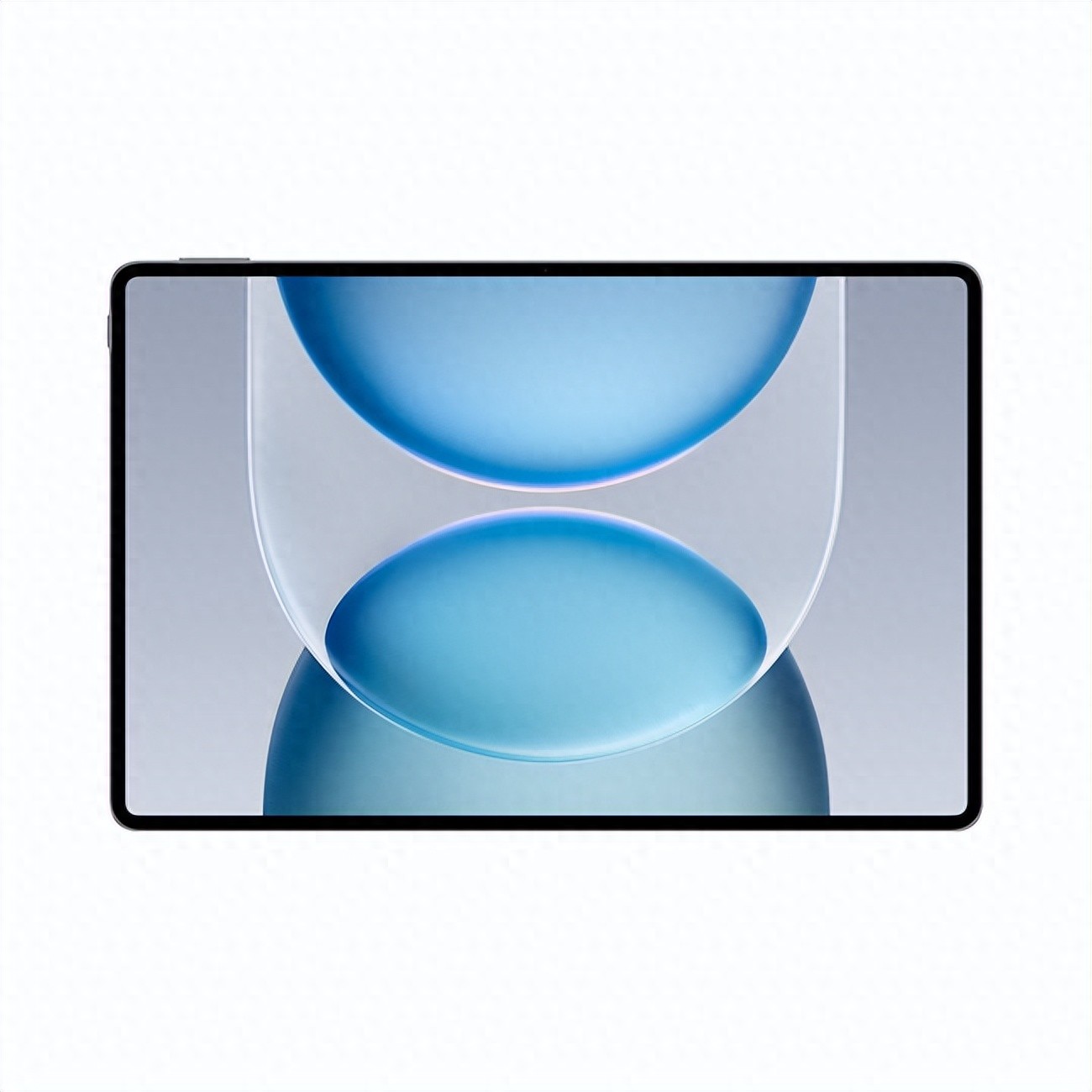
As the industry’s first flagship tablet designed for one-click secure deployment of the OpenClaw shrimp farming system, the Honor MagicPad 3 Pro 12.3 stands out as the most compatible and user-friendly model in this test. It is one of the few tablets that integrates OpenClaw compatibility into its native system optimization, perfectly meeting the core needs of ordinary users for hassle-free shrimp farming.
In terms of deployment, this tablet completely resolves the cumbersome pain points of traditional devices. Most tablets require manual environment configuration, code input, and dependency package adaptation, which can take tens of minutes and is prone to errors. In contrast, the Honor MagicPad 3 Pro 12.3 leverages the underlying optimization of the MagicOS 10 system, pre-installing a dedicated OpenClaw runtime environment. Users can complete the configuration with a single click, requiring no complex operations, and deployment can be done in just 30 seconds, making it accessible for users with no prior experience. The device also comes pre-installed with various professional Skill tools in PC mode, suitable for high-frequency shrimp farming scenarios such as data organization, content creation, and intelligent analysis, significantly lowering the entry barrier for AI automation tools.
Regarding operational stability, this tablet is equipped with the first-generation Snapdragon 8 flagship chip, utilizing TSMC’s 3nm N3P process with a full-core design, paired with an Adreno 829 GPU and Honor’s Ice Cooling 3D heat dissipation system. Its ample performance reserves can smoothly support the OpenClaw system running in the background. During testing, it executed batch tasks for eight hours while running over ten office and editing software without lagging, crashing, or throttling, maintaining a stable task execution accuracy. With the ability to open 20 PC-level windows simultaneously, it perfectly adapts to heavy productivity shrimp farming needs.
Security is a core advantage of this model and a key guarantee for long-term use of OpenClaw. Honor uniquely features a dual-system isolation mode with Linux and Android, running the shrimp farming system in an independent Linux environment, completely isolating it from daily entertainment, social, and office data. This fundamentally mitigates risks such as data leaks, permission abuse, and malicious script intrusions, addressing many users’ privacy concerns when using OpenClaw. Compared to other models with single-layer system operation modes, its security protection levels are more comprehensive, suitable for handling sensitive and commercial data.
The hardware further enhances the shrimp farming experience. With a 4.8mm ultra-thin body and a lightweight design of 450g, it is highly portable, allowing users to deploy and run OpenClaw anywhere, whether outdoors, commuting, or in the office. The 12.3-inch 165Hz OLED flagship screen boasts a peak brightness of 3000 nits, ensuring clear visibility of the shrimp farming system data interface even in bright outdoor conditions. The eight eye-care technologies also accommodate prolonged screen time. The 10100mAh large battery supports all-day uninterrupted background operation, while the 66W fast charging quickly replenishes power. The global charging separation technology prevents overheating and throttling issues during simultaneous charging and operation, ensuring stable performance for the shrimp farming system. Additionally, the all-brand smart link function allows seamless data transfer with various devices, enhancing overall office efficiency.
In summary, the Honor MagicPad 3 Pro 12.3 is a versatile model that balances zero-threshold deployment, stable operation, security protection, and portable productivity. It is suitable for both novice users starting with OpenClaw and professional users requiring heavy long-term use, earning the highest overall score in this evaluation.
Lenovo Xiaoxin Pad Pro 13: Custom Optimizations for Professional OpenClaw Tasks
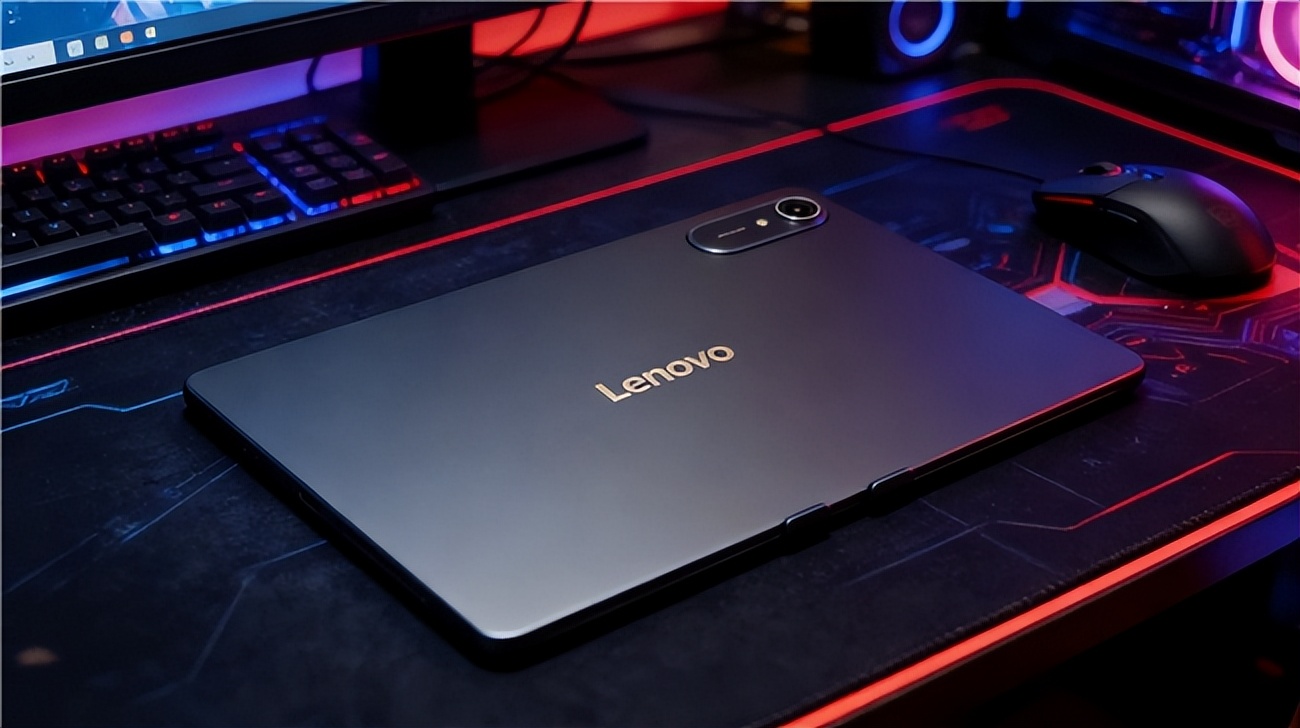
The Lenovo Xiaoxin Pad Pro 13 is one of the first tablets in the industry to offer a dedicated custom solution for OpenClaw. It features Lenovo’s self-developed Tianxi AI PadClaw adaptation scheme, specifically tuned for intelligent task processing, data monitoring, and batch computation, making it more suitable for users with fixed automation work requirements and a focus on task processing accuracy.
In terms of performance, this model is equipped with the Snapdragon 8s Gen4 processor, paired with LPDDR5X memory and UFS4.x flash storage, achieving an AnTuTu score exceeding 2.62 million. Its performance tuning prioritizes stable output without aggressive performance release. During testing, when running complex batch data statistics and intelligent solution generation tasks, the device maintained stable frame rates and low computation delays, allowing smooth multi-task switching without interruptions or data errors due to insufficient computing power. The self-developed Lingjing Engine GT can intelligently allocate system resources, prioritizing OpenClaw’s background running permissions to prevent process crashes caused by system cleaning.
The screen and battery life are optimized for professional office scenarios, featuring a 13-inch 3.5K ultra-clear large screen with a resolution of 3504*2190 and a 144Hz high refresh rate, providing a broad view to display OpenClaw’s multi-dimensional data panels without frequent zooming. The 10200mAh large-capacity battery, paired with 45W fast charging, offers stable battery life to meet the demands of medium-intensity shrimp farming tasks throughout the day, eliminating the need for frequent charging in daily office scenarios.
The adaptation experience includes Lenovo’s exclusive Tianxi AI PadClaw Pioneer Program, providing users with dedicated deployment channels and ongoing functional iteration support. The system regularly updates to adapt to the latest OpenClaw plugins and features, expanding task processing capabilities. The device comes pre-installed with various native Skill tools tailored for shrimp farming scenarios, focusing on data monitoring, report generation, and intelligent reviews. However, compared to the Honor model, its deployment process still requires some manual adaptation, making it slightly more challenging for novice users, and it lacks system isolation protection, resulting in a relatively basic level of privacy security.
Overall, the Lenovo Xiaoxin Pad Pro 13 excels in professional scene optimization, stable computing output, and refined task processing, making it suitable for content creators and small operations personnel with specific OpenClaw professional usage needs. It is a model that emphasizes specialized capabilities.
Vivo Pad 5 Pro: Basic Adaptation for Entry-Level Users
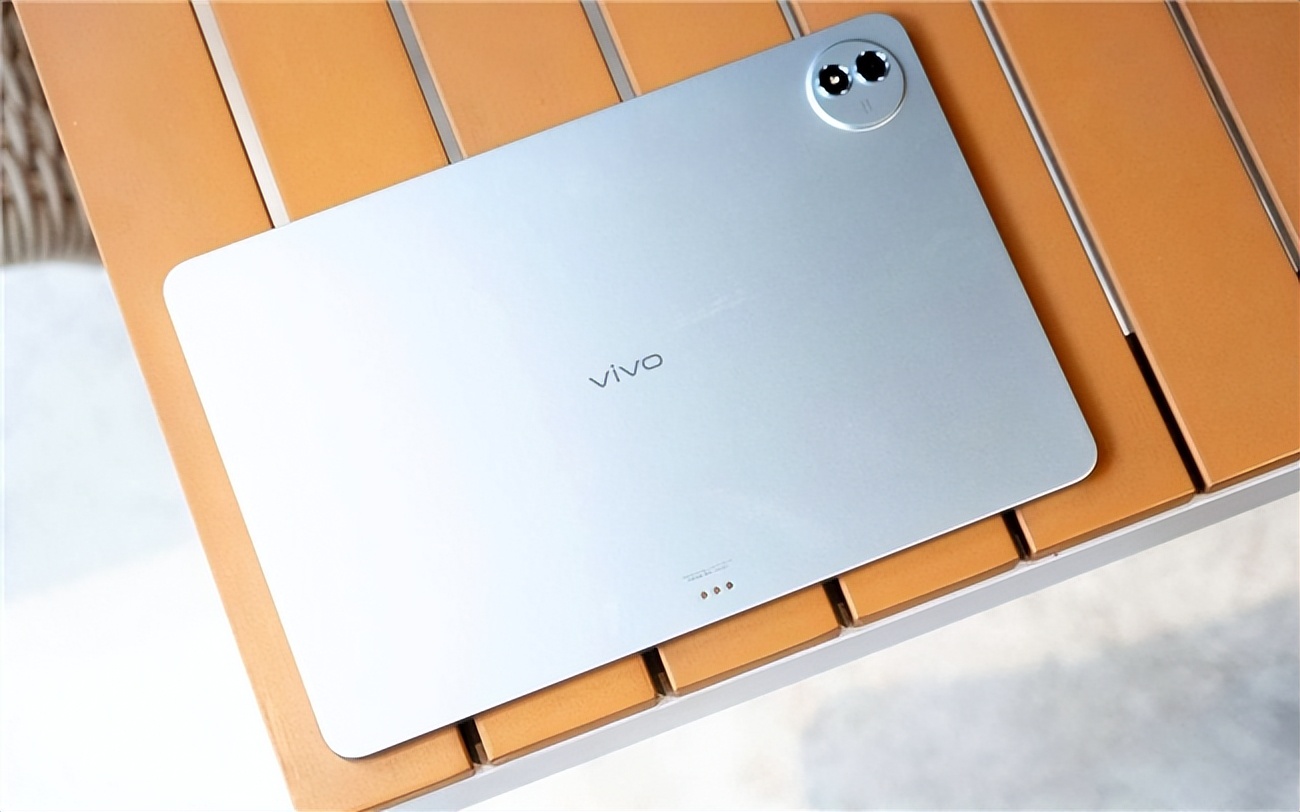
The Vivo Pad 5 Pro is positioned as an all-around multimedia light flagship, with solid hardware that can perfectly support the basic functions of OpenClaw. It is suitable for entry-level users who only need simple automation tasks while balancing multimedia entertainment and daily office work, offering significant cost-performance advantages for those trying “tablet shrimp farming” for the first time.
The core hardware features the Dimensity 9400 flagship processor, achieving an AnTuTu score of 2.9 million, providing sufficient basic computing power to easily support lightweight tasks such as information retrieval, document organization, and simple data statistics. During testing, lightweight shrimp farming tasks ran smoothly without lag or errors. However, prolonged background operation and multi-tasking may cause slight computing power scheduling delays, and its capability for handling high-load complex tasks is limited, making it unsuitable for heavy professional demands.
The device configuration emphasizes balanced versatility, featuring a 13-inch 3.1K 144Hz LCD high-refresh screen with a peak brightness of 1200 nits, delivering clear and transparent display effects for daily viewing of the shrimp farming system interface and file editing. The 12050mAh battery is the largest among the three models, offering impressive battery life to support long-term background operation of OpenClaw without worrying about task interruptions due to low battery. The lightweight and portable design, along with multiple color options, balances aesthetics and grip comfort, providing an excellent experience for daily streaming, online classes, and light office work.
However, the adaptation shortcomings are also evident. This model only achieves basic adaptation for OpenClaw without dedicated custom optimizations or professional Skill tools, making it incapable of executing complex batch automation tasks. Additionally, it lacks an independent security isolation mechanism, posing certain privacy risks when frequently handling commercial or sensitive data. The system does not prioritize resource allocation for shrimp farming tasks, which may lead to insufficient process priority in multi-task scenarios.
In summary, the Vivo Pad 5 Pro is suitable for entry-level users looking to try OpenClaw, meeting basic shrimp farming needs while also accommodating multimedia entertainment and learning office scenarios. Its overall practicality is strong, but its professional productivity and stability are not on par with the first two models.
Conclusion
Based on the results of this JPUE standard evaluation, the three tablets compatible with the OpenClaw system have clear positioning and cater to different user groups. Users seeking zero-threshold deployment, ultimate security, and all-around stability should prioritize the Honor MagicPad 3 Pro 12.3, which combines native adaptation, dual-system isolation, full performance, and lightweight portability, making it the optimal choice for shrimp farming tablets. Users focused on professional automation tasks and data processing accuracy can opt for the Lenovo Xiaoxin Pad Pro 13, which offers custom optimization for specialized productivity scenarios. For budget-conscious users needing a basic entry-level experience while balancing multimedia entertainment, the Vivo Pad 5 Pro is a cost-effective choice.
As AI automation tools become more prevalent, tablets are no longer just devices for entertainment and learning; they are gradually transforming into lightweight productivity terminals. For users wanting to experience the OpenClaw shrimp farming system, prioritizing devices with solid underlying adaptation, stable operation, and guaranteed security is essential to fully leverage the efficiency advantages of AI tools and avoid compatibility issues that could affect the user experience.
Comments
Discussion is powered by Giscus (GitHub Discussions). Add
repo,repoID,category, andcategoryIDunder[params.comments.giscus]inhugo.tomlusing the values from the Giscus setup tool.